Luton, Bedfordshire

Plumber in Luton for repairs, heating and new bathrooms

Get your free quote

Answer a few questions about the job. It's free and there is no obligation.

A dripping tap, no hot water, a bathroom to replace? Describe the job in a few clicks and get a free, no-obligation quote from a plumber in Luton.

  • Free quotes
  • No obligation
  • Fast response
  • Local plumbers

Hot side, cold side

Plumbing is two systems that meet at the tap: the cold water that comes into the house, and the hot water and heating you make with the boiler.
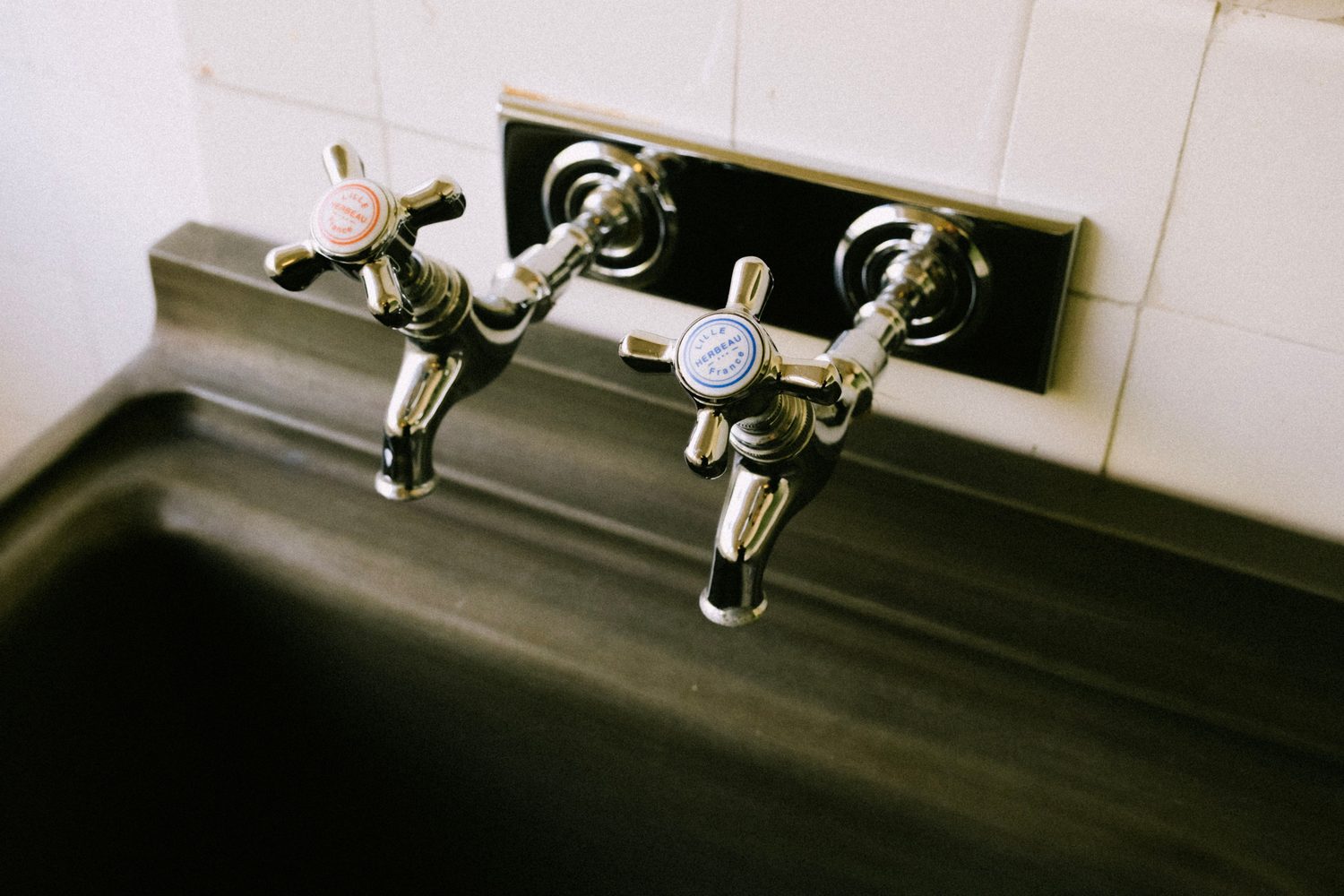
Two chrome taps with cross handles over a dark sink, one marked for hot and one for cold

Cold water

What comes in, and what goes out

  • Taps and sinksTaps to repair or replace, mixers, sink and basin fittings, outside taps.
  • Toilets and cisternsA toilet that keeps running, a weak flush, a leaking pan connection, a new toilet.
  • Drains and blockagesSinks, baths and showers that drain slowly, and waste pipes that smell or gurgle.
  • Supply pipes and tanksLeaks on the supply, stopcocks and isolation valves, cold water tanks and overflows.

Hot water and heating

What the boiler makes

  • BoilersRepairs, servicing and replacement. Gas work must be done by a Gas Safe registered engineer.
  • Radiators and heatingRadiators to bleed, replace or add, thermostatic valves, pumps and sludge.
  • Hot water cylindersCylinders and immersion heaters, a loss of hot water, and lagging.
  • Showers and bathroomsShowers to fit or swap, power showers and a full bathroom refit.
Hard water in Luton

Luton and the countryside around it sit on chalk, and the tap water here is hard. It is safe to drink, but when it is heated it leaves limescale behind, in the kettle, the shower and the boiler.

  • A white crust on taps, shower heads and around the plughole
  • A shower spray that is patchy, or a flow that has slowly got weaker
  • A thick scale on the kettle element and inside the washing machine
  • A boiler that rumbles or whistles when it heats the water
  • Hot water that takes longer to run hot, or runs out sooner than it used to

Scale builds fastest where water is hot, which is why the boiler and the hot water cylinder are the places to watch. A yearly service, descaling the taps and shower heads, and a water softener or scale inhibitor where it makes sense, all slow it down.

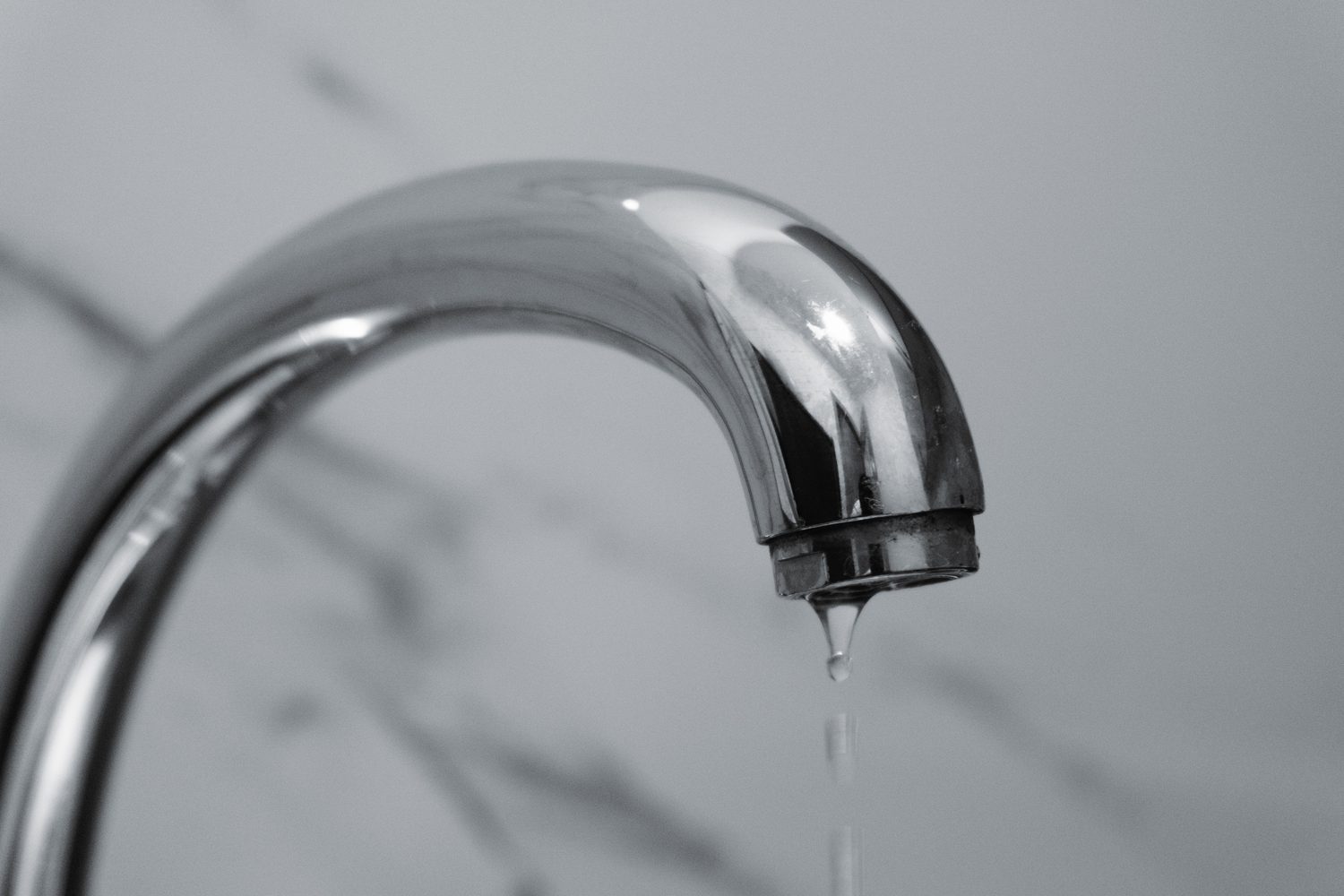
Chrome tap spout with a single drop of water falling from it, against a pale marble wall

A room-by-room check

Most plumbing problems announce themselves early. Pick a part of the house and see what is worth looking at.

Kitchen

  • Taps that drip, or a spray that has gone uneven. A scaled-up aerator is the usual cause.
  • Water under the sink. Run a dry tissue along the trap and the pipes to find the damp.
  • The hoses behind the washing machine and the dishwasher. Look for swelling and cracks, and check that each has its own isolation valve.
  • A sink that drains slowly, which usually means grease in the pipe.

Bathroom

  • A toilet that runs on after flushing. A worn fill valve or flush valve seal is the likely cause.
  • Silicone round the bath and shower that is split or black, because water gets through to the ceiling below.
  • A shower head that is clogged with scale and gives a weak, patchy spray.
  • Radiator and towel rail valves with damp or green marks around the spindle.

Boiler and airing cupboard

  • The pressure gauge. About 1 to 1.5 bar when the system is cold is the usual range, but check the manual for your boiler.
  • Drips under the boiler, or water coming out of the small pipe that leaves the house.
  • Damp on the hot water cylinder lagging and on the pipework around it.
  • The date of the last boiler service. Once a year is the usual advice.

Loft and outside

  • Lagging on the pipes and the tank in the loft, before the first frost.
  • An overflow pipe that drips outside. It usually points to a faulty float valve.
  • The outside tap. Turn off its isolation valve and drain it for the winter.
  • Gutters and downpipes: leaks at the joints, and blocked hoppers after the autumn.

Why is my tap dripping?

The part that wears out depends on the type of tap. Find yours, and you know what a plumber will replace.

Type of tapHow to tellUsual repair
Traditional pillar or bib tapTwo separate taps, hot and cold, that you turn round several times to open.A worn rubber washer. The tap is taken apart, the washer swapped and the seat checked.
Ceramic disc tapA quarter turn, or a half turn, from off to full flow.Worn ceramic discs or seals, which are replaced as a pair or as a cartridge.
Mixer or lever tapOne spout, with a lever or two handles, mixing hot and cold.A worn cartridge, usually replaced as a single part.
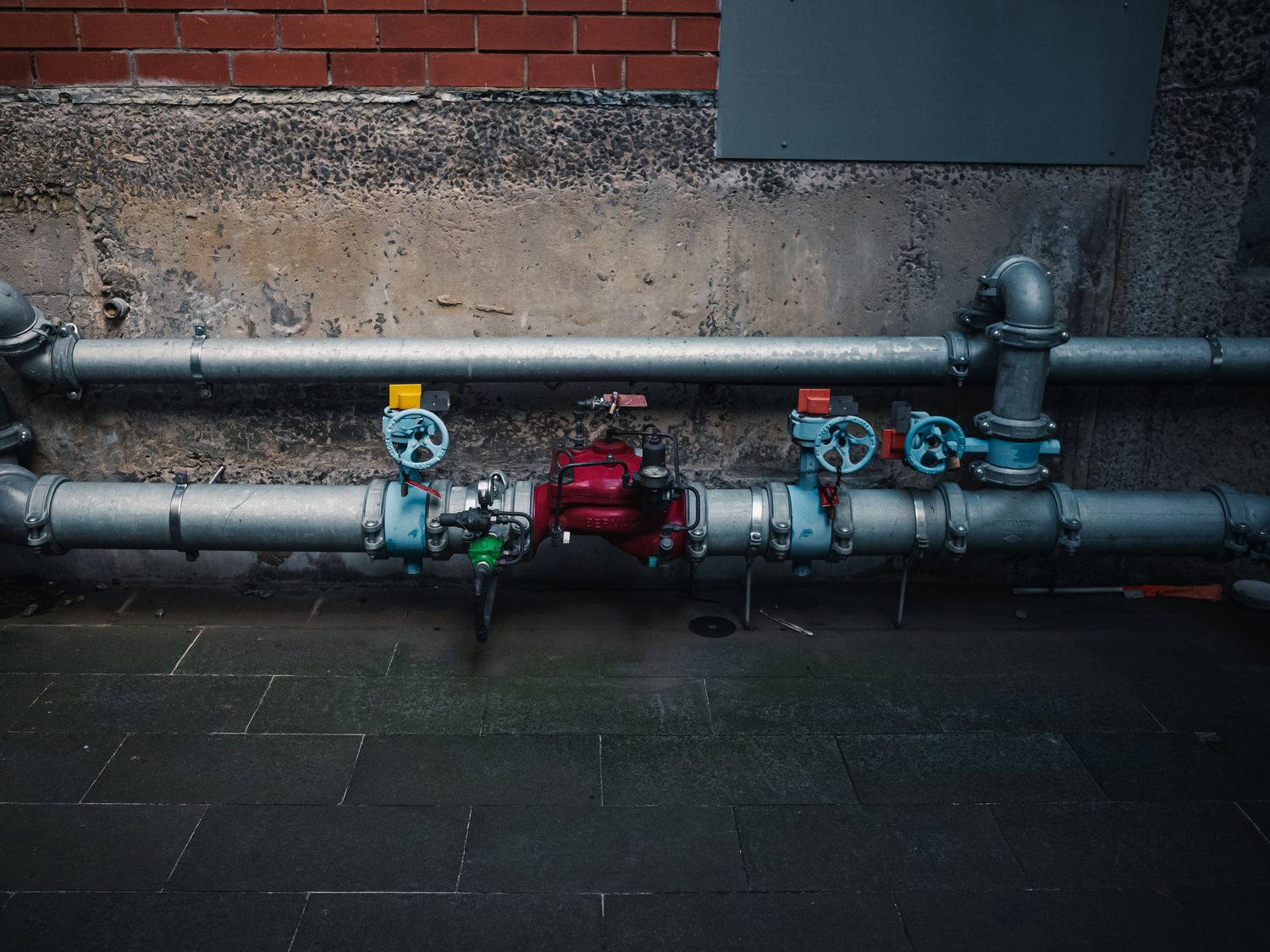
Grey metal pipes running along a wall with valves in different colours

What is your pipe made of?

Look at the pipe where it comes in, usually under the kitchen sink, and at the pipes in the airing cupboard or the loft.

  • LeadDull grey and soft. A scratch with a coin shows shiny silver, and the pipe bends easily.Used in homes up to the 1970s. Ask your water company about the supply pipe, and a plumber about the pipes inside.
  • CopperOrange-brown, or green and dull when it is old. Hard to bend, and it rings when tapped.The usual pipe in most homes for the last fifty years or more.
  • Galvanised steelSilver-grey and hard, often with rust marks at the joints. A magnet sticks to it.Found in older homes. It rusts from the inside, and the flow slowly gets weaker.
  • PlasticWhite, grey, blue or black, with push-fit or compression fittings. Blue is often the cold supply.Modern pipework. Flexible, and it does not corrode.
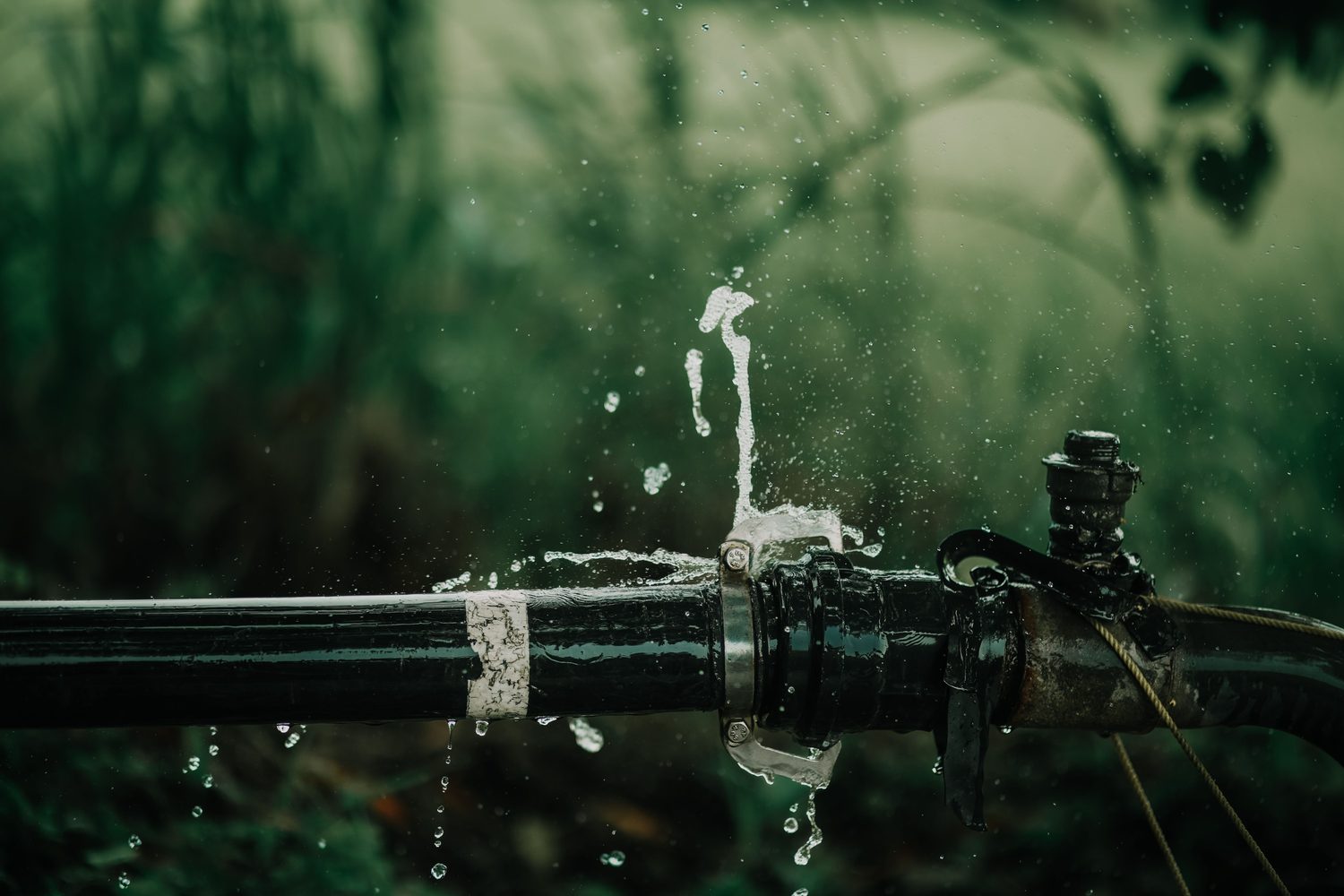
Water spraying from a joint on a black pipe among tall grass

What counts as an emergency

When to act at once, and what to do while you wait.

Water that will not stop

Turn the stopcock clockwise, then open the cold taps to drain the pipes. Switch off the boiler and any immersion heater, and keep electrics away from the water.

No heating or hot water

Check the thermostat, the timer and the boiler pressure. If there is a fault code, look it up in the manual before you reset anything.

A toilet that is blocked

If it is the only one in the house, or sewage is coming back up, ask for a plumber the same day.

Smell gas? This is not a plumbing job.

Open the windows and doors, do not use switches or flames, turn off the gas at the meter if you can, and leave the house. Then call the National Gas Emergency Service on 0800 111 999. The call is free, and the line is open at all times.

What a plumber's quote should say

So that you know what you are paying for before the work starts.

Gas Safe Register

Any work on a gas boiler, gas fire or hob must be done by an engineer on the register. Ask to see the ID card, and check the back for the types of work they can do.

WaterSafe

A register of plumbers approved to work on water supplies and fittings.

Insurance

Ask whether the plumber has public liability insurance, and for the guarantee in writing.

Luton and the places around it

Distance from the centre of Luton, in miles in a straight line.

Postcode areas: LU1 to LU4, with LU5, LU6, AL5 and SG4 nearby.

Frequently asked questions

It depends on the job. Small repairs are often charged by the hour or as a fixed price, and bigger jobs such as a bathroom or a boiler are quoted for the whole job. Ask for the price in writing, with the parts and the labour listed.

Hard water is safe to drink, but when it is heated it leaves limescale. Over the years scale can build up in the boiler, the hot water cylinder and the pipes, and reduce the flow. A yearly service helps, and a plumber can tell you whether a water softener or a scale inhibitor makes sense for your home.

Often, yes. Turn off the isolation valve under the tap first, and take a photo before you take it apart. The part to replace depends on the type of tap. If the valve will not close or the tap is corroded, ask a plumber.

Gas boilers must be fitted and repaired by an engineer on the Gas Safe Register. Ask to see the ID card before any work starts.

Look at the thermostat and the timer, then at the boiler pressure. If the boiler shows a fault code, look it up in the manual. If you cannot find the cause, ask a plumber to look at it.

Lead was used for water pipes in homes up to the 1970s. Look at the pipe where it comes in, usually under the kitchen sink. If it is dull grey, soft and shows shiny silver when scratched, it may be lead. Ask your water company, and ask a plumber about the pipes inside the house.

Yes: Luton and the places around it, including Dunstable, Houghton Regis, Harpenden and Hitchin. Enter your postcode in the form to start.

Say in the form that the job is urgent, and say whether water is still escaping. Turn off the stopcock first: it stops the damage while you wait.

Contact us

Thank you, your message has been sent.

A plumber in Luton?

Get a free quote, with no obligation.

Get my free quote